
Blanket season sneaks up fast. One night, you are comfortable with a sheet. The next, every throw in the house is piled on the couch. So how often should you wash blankets? Here is a quick guide to blanket care.

USE THE BLANKET, NOT JUST THE CALENDAR, AS YOUR GUIDE
A throw that touches your skin every evening needs more frequent washing than a decorative blanket folded over a chair. So, before you settle in, give those blankets a fall reset. Dust, pet hair, crumbs, body oils, and odors build up even when a blanket does not look dirty.
Whirlpool recommends washing blankets that come into direct contact with your skin at least once or twice a month. A heavily used blanket may benefit from weekly washing.
Wash blankets sooner after spills, sickness, strong odors, or visible soil. Pet blankets may also need a more frequent schedule.
Decorative throws can usually go longer between washes if they remain clean. Shake them out or vacuum them between wash days to remove dust, crumbs, and pet hair.
In other words, there is no single schedule for every blanket. How you use it matters.
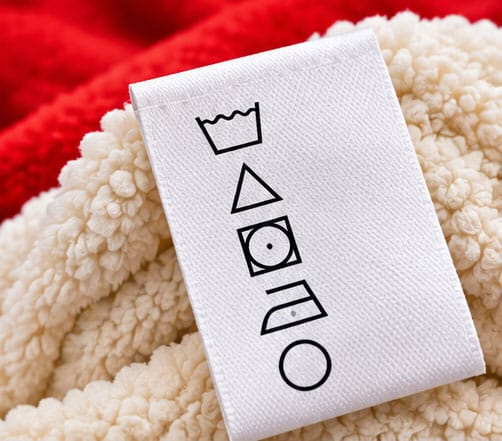

READ THE CARE LABEL BEFORE ADDING DETERGENT
Blankets may be made from cotton, fleece, wool, faux fur, down, or a combination of materials. The outside fabric is only part of the story. Fillings, decorative trim, and backing can change the required care method.
Check the label for machine-washing instructions, the correct water temperature, and the recommended drying method.
The Federal Trade Commission’s Care Labeling Rule requires manufacturers to provide regular care instructions for covered textile products. Follow those instructions even if you previously washed a similar-looking blanket another way.
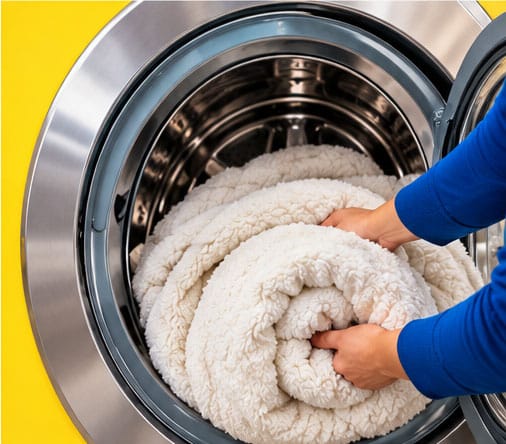

GIVE BULKY BLANKETS ROOM TO MOVE
A blanket needs to move freely inside the washer and dryer in order to get clean. In fact, stuffing a king-size comforter into a small machine can leave detergent and soil trapped in the folds. It can also create an unbalanced load.
Use a large-capacity washer for bulky pieces. Place the blanket loosely and evenly inside the drum instead of pushing it into one tight bundle.
Use the recommended amount of detergent. Adding extra soap does not improve cleaning when the blanket does not have enough room to move or rinse properly.


MATCH THE CLEANING METHOD TO THE MATERIAL
Cotton and many fleece blankets can often be machine-washed, but the care label controls the cycle and temperature.
Wool, crochet, knit, and faux-fur blankets commonly need cold water and gentle handling. Some require hand-washing or professional cleaning.
Weighted blankets need special attention. Their total weight may exceed the capacity of a household washer, especially once they absorb water. Check the manufacturer’s instructions and the washer’s capacity before starting the load.
Electric blankets may include removable controls and specific washing directions. Disconnect every removable component and follow the manufacturer’s instructions carefully.


DRY THE BLANKET WITHOUT DAMAGING IT
Drying is where many blankets shrink, mat, or lose their shape.
Use low or no heat when the care label requires it. Stop the dryer occasionally to untangle a large blanket so warm air can reach the center.
Air-dry blankets that are not dryer-safe. Lay stretchy knits flat so their wet weight does not pull them out of shape.
Make sure every layer is dry before returning the blanket to the bed, placing it on the couch, or putting it into storage. A blanket can feel dry on the outside while holding moisture in the center.


TURN FALL CLEANING INTO ONE EASY TRIP
Large blankets are easier to wash when they have enough room.
Our Soaps N Suds laundromats offer a range of machine sizes, making it practical to clean household blankets without squeezing them into an undersized washer.
Check the blanket’s care label and the machine’s posted capacity first. While one bulky load washes, you can clean your regular clothing in another machine.

